

Among media buyers there's a popular saying: "Either you fund your own mistakes out of pocket, or you buy a subscription to a spy service and grow on your competitors' experience." In 2026, with ad algorithms more opaque than ever and traffic more expensive, "spy" tools have moved from optional to a baseline necessity.
In this article we'll break down the inner logic of such platforms, their value to a buyer, and strategies that turn other people's ideas into your own profitable combos.
How Spy platforms work: what's hidden inside
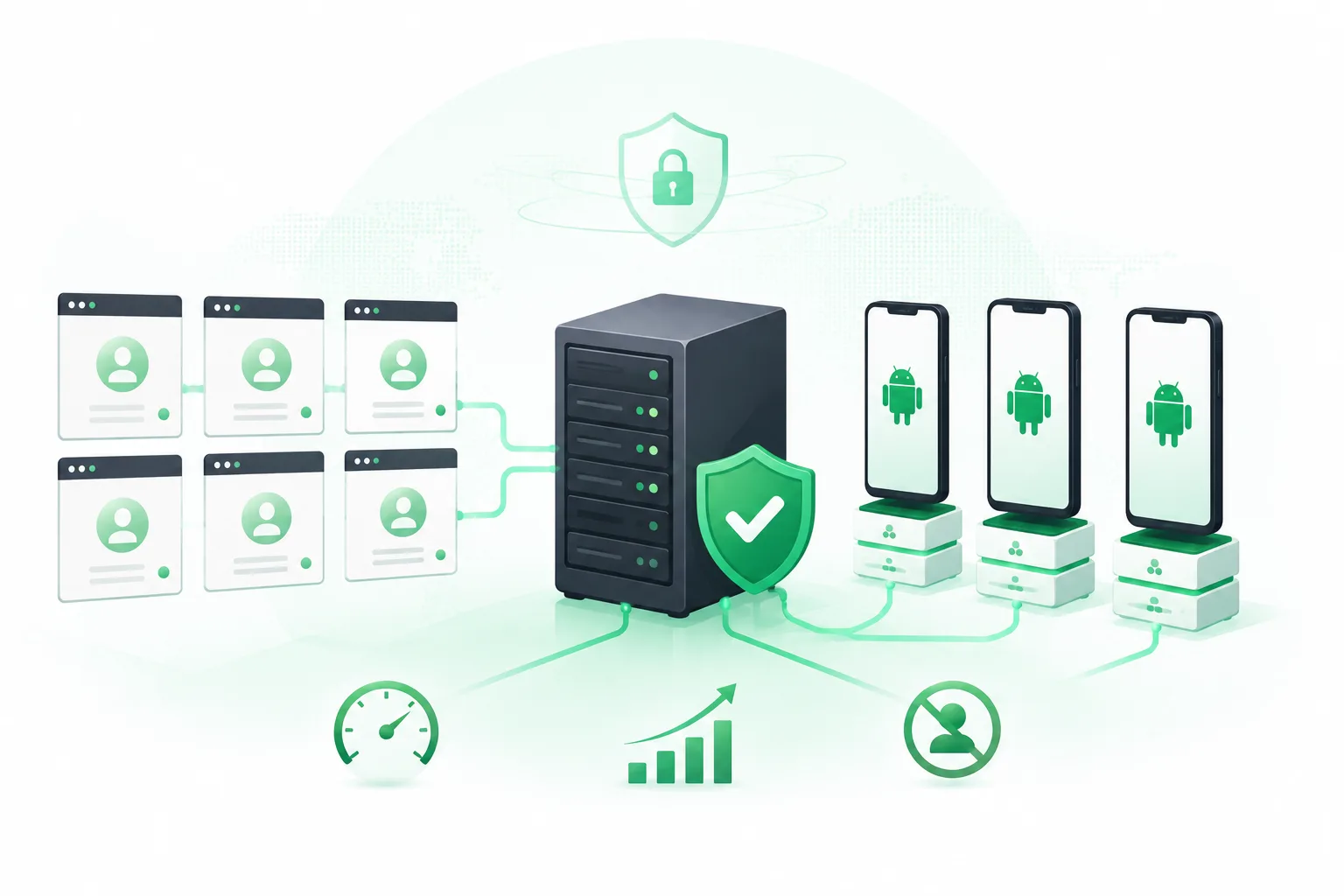
A modern Spy service is a symbiosis of Big Data technologies and advanced anonymization. To grant access to its creative library, the system solves three tasks:
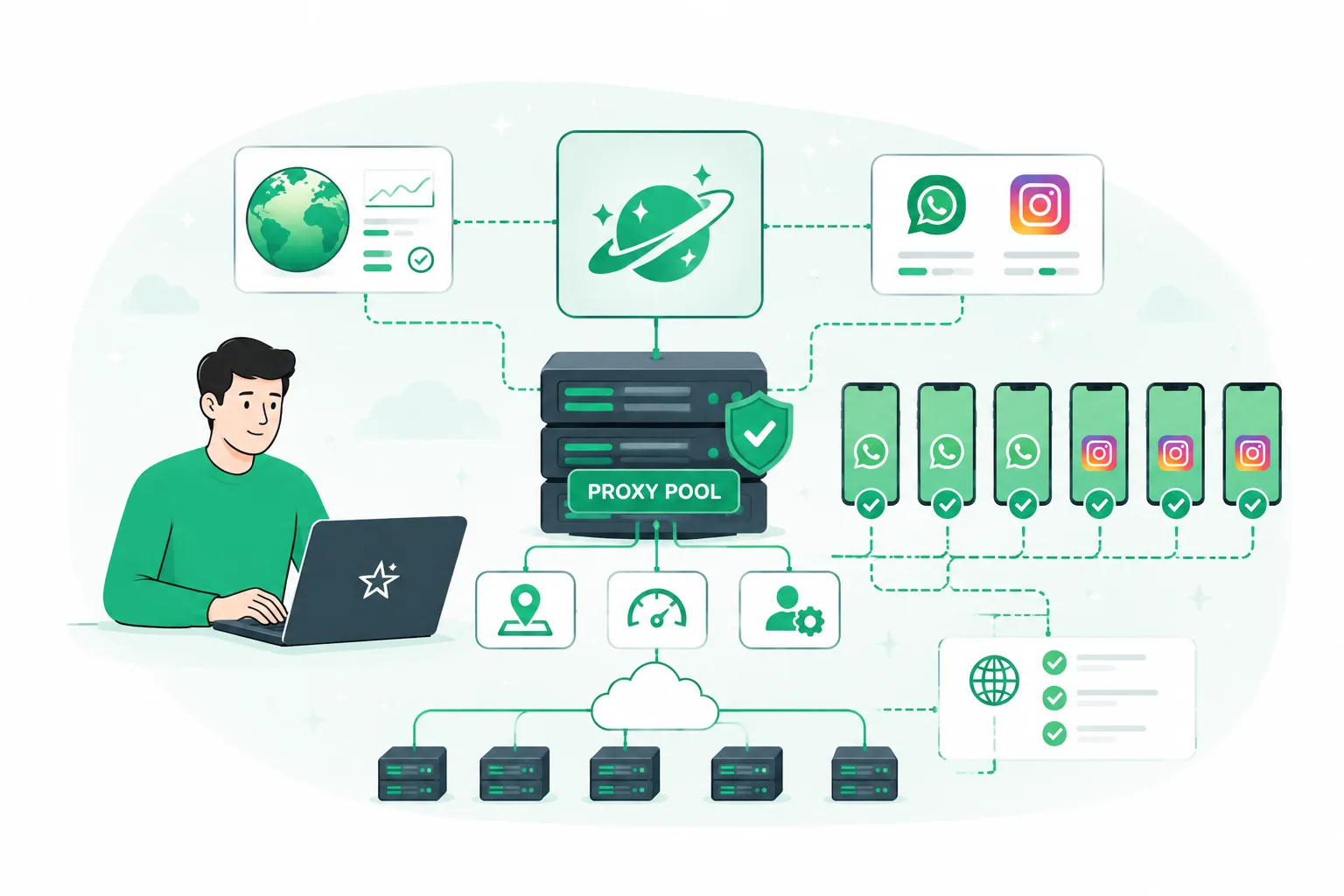
- Mass scraping: the platforms run huge farms of accounts working through residential proxies. Bots imitate the behavior of live users in different GEOs: they scroll Facebook feeds, watch stories, and interact with ads. To social networks, such a bot is indistinguishable from a real resident anywhere in the world.
- Breaking through cloaking: arbitrage buyers often hide "gray" offers from moderation. Powerful spies know how to bypass such filters, letting you see not the "white" stub page but the real landing page that traffic is being sent to.
- Smart search: all the data (images, videos, copy, links) is indexed. The user can search content by keywords, specific advertisers, or even find visually similar images.
Five strategies for using "spies"
The notion that spies are only for copying banners caps your earnings. Pros use them for end-to-end analysis:
- Finding hit offers: instead of taking your network manager's word, analyze the facts. If a specific product shows a sharp rise in ad count, that means someone is making money on it right now.
- Deconstructing approaches: you understand which trigger works — medical authority, quick-money storytelling, or shock content.
- Breaking down technical funnels: a spy lets you walk the full customer path, from click to order form. That's a chance to study other people's scripts: wheels of fortune, timers, and quizzes.
- Scaling detection: mass duplication of one creative across many domains is a sure sign that the combo has been found and big budgets are flowing into it.
- Cutting testing costs: testing everything in Facebook is the road to a cash crunch. Analysis lets you cut off ideas that are obviously not viable before you even launch.
Segmentation by traffic source
Every source requires a specialized tool:
- Facebook and Instagram: services (such as Spy.House) let you assess engagement (likes, reshares), which helps find genuinely viral content.
- TikTok: here creatives live just days. Spies for this network let you catch fresh trends, audio tracks, and visual filters in real time.
- Native Ads (Taboola, MGID): tools help reveal not only headlines but also specific placements for building white lists.
- Push notifications: it matters to track push chains and how they're adapted for different languages and time zones.
A method for finding the "golden combo"
To filter out junk from real profitable campaigns, use the following filters:
- Ad lifetime: focus on ads that have been running for more than 5–7 days. In arbitrage, losing ads get killed on day one.
- Reach and impressions: sort by popularity to identify strong players.
- Brand exclusion: filter out mentions of big companies (such as Amazon) to see only arbitrage approaches.
- Domain search: found one winning landing page? Search its domain — that uncovers the whole competitor network.
Copying vs. uniqueization
There are two approaches to working with the material you've found:
- Copying (Ctrl+C, Ctrl+V): the fastest route, leading to bans. Ad networks' algorithms see identical "digital fingerprints" and cut reach for non-unique content.
- Deep rework (recommended): you take a successful idea and rebuild it: different editing, new voiceover, modified color palette, and clean metadata. That way you keep the working mechanic, but to the system your content stays new.
The financial side
A subscription to quality software is expensive. For a beginner it's real money — but remember: one botched test costs more than a month of analytics access.
How to save:
- Group-buys: group access (risky — possible account bans).
- Affordable services: use platforms like Spy.House with accessible plans and trial periods.
2026 trends in Spy technologies
The industry doesn't stand still, rolling out:
- AI predictions: services point out the elements (color, text) that influence CTR themselves.
- Review analysis: automated comment collection to find competitor weak points.
- In-app tracking: deep analytics of events inside mobile apps.
Summary
In 2026 a Spy service is your market X-ray. It doesn't replace creativity but it gives you a base for informed action. Remember: the winner isn't the one who simply copied — it's the one who took a working scheme and made it 20% more effective.