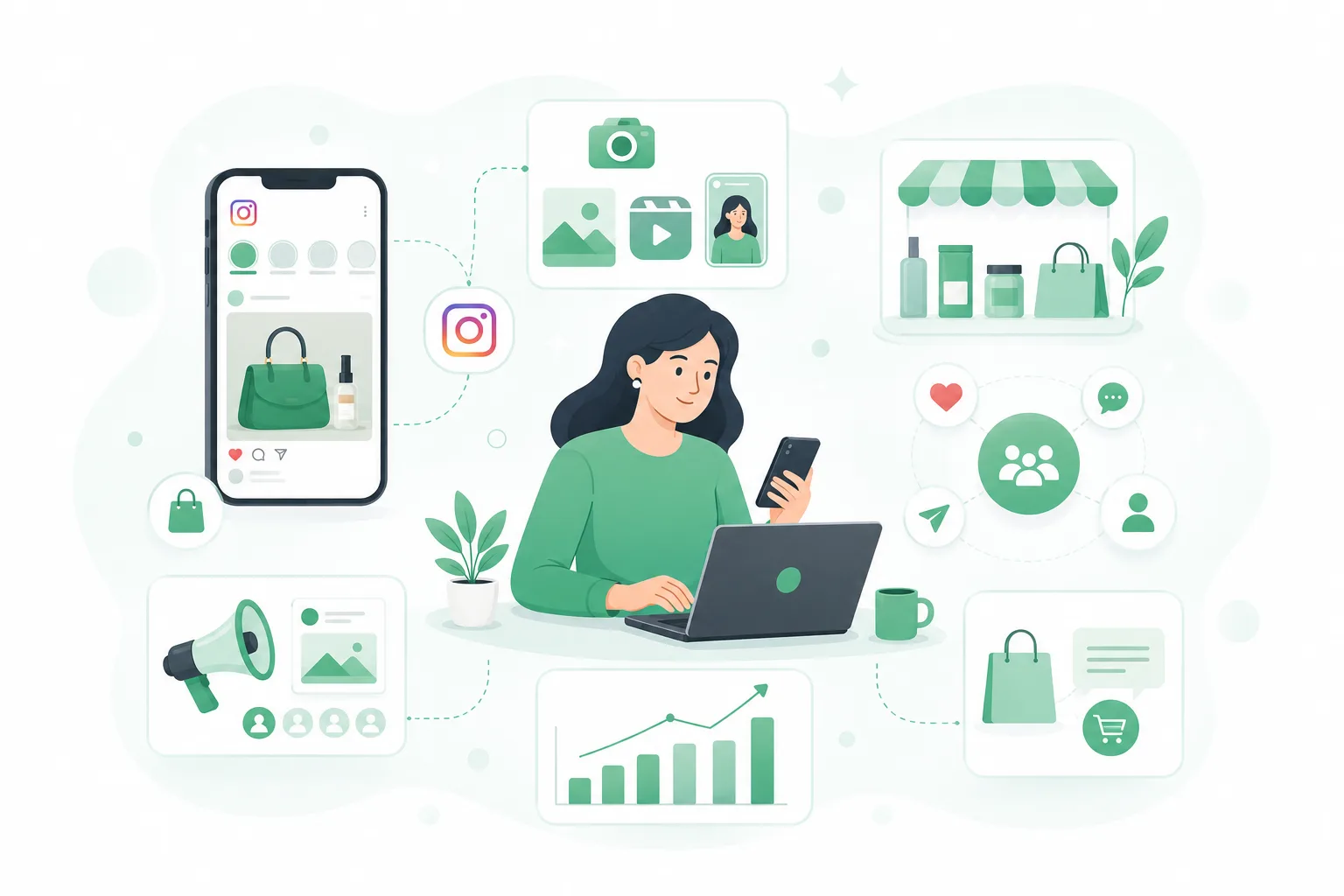
Despite the ban, Instagram* is still an active platform with a loyal audience. Users have grown used to alternative ways of accessing the social network, and businesses have adapted to the new reality of promotion.
What to focus on
1. Bet on Reels and Stories
Instagram*'s algorithms give priority to Reels — short videos that work great for attracting a new audience. Stories help hold attention and build trust, especially when you show behind-the-scenes business moments, reviews, promotions, and live communication.
2. Influencer marketing instead of paid ads
Since targeted advertising isn't available, the main acquisition channel is blogger ads. Pick influencers whose audience matches yours and agree on honest reviews, giveaways, or collaborations.
3. Content that works
Your content should solve both brand and commercial goals. It can be useful expert content, product reviews, user experience, video tutorials, testimonials, and on-brand entertainment.
4. Analytics and strategy
Before you start, it's important to understand your audience: who they are, what drives them to buy, and what their fears and objections are. JTBD (Jobs To Be Done) and CJM (Customer Journey Map) tools will help you map the customer journey and target content precisely.
5. Performance funnels
Build different funnels: long ones for new followers, short ones for the "warm" audience. Use Reels for acquisition, stories and posts for warm-up, and DMs or links for sales. Ideally, move the audience to Telegram for convenience and safety.
6. Look and engagement
Style your account so it's clean and clear: avatar, profile bio, highlights, and pinned posts should tell your story and guide users toward target actions. Reply to DMs quickly — ideally with ready-made scripts or with a bot.
7. Constant optimization
Promotion isn't a one-off campaign. Constantly test hypotheses, track stats, improve content and funnels. Keep the best mechanics; try new ones carefully and analyze the results.
8. Instagram tools
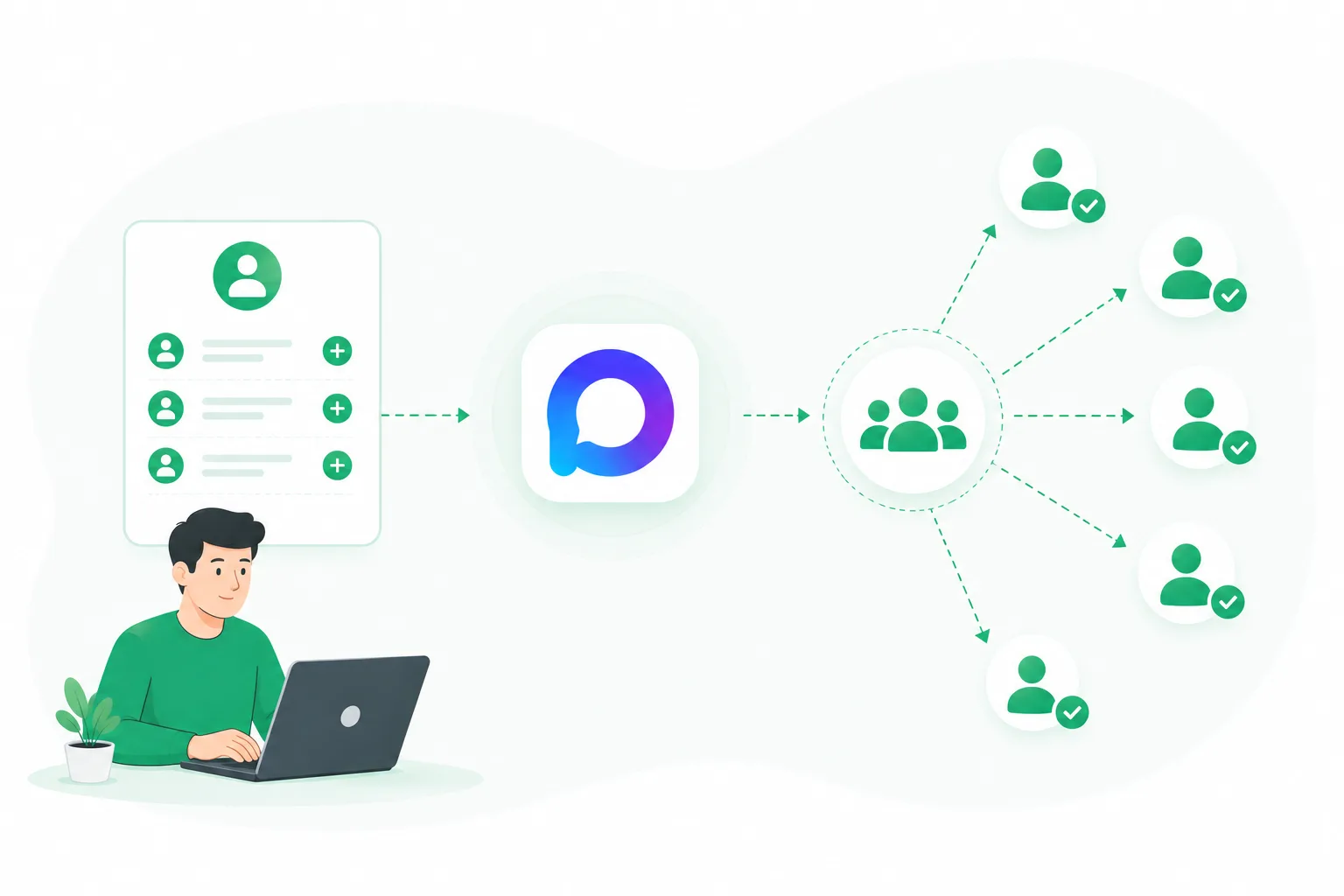
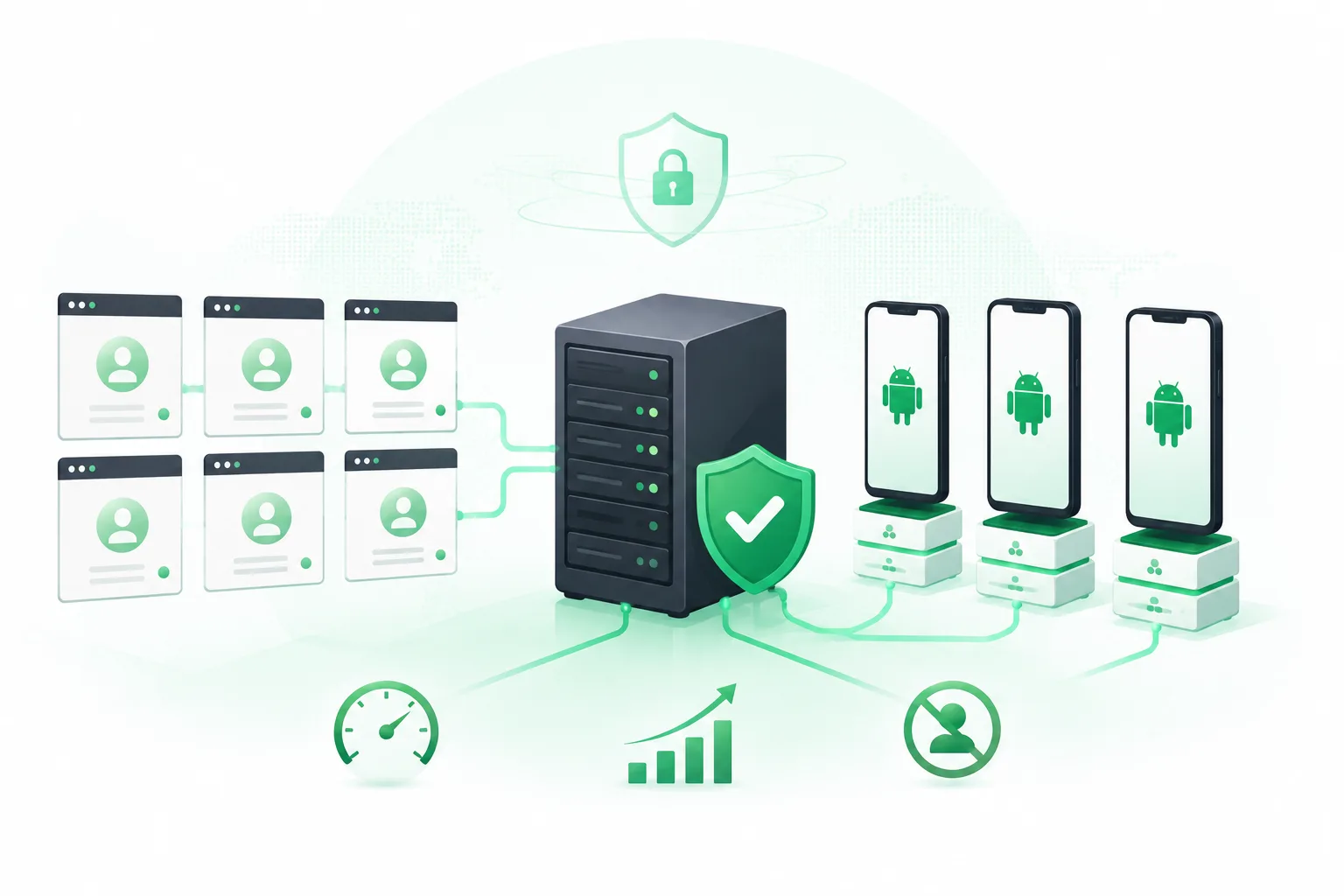
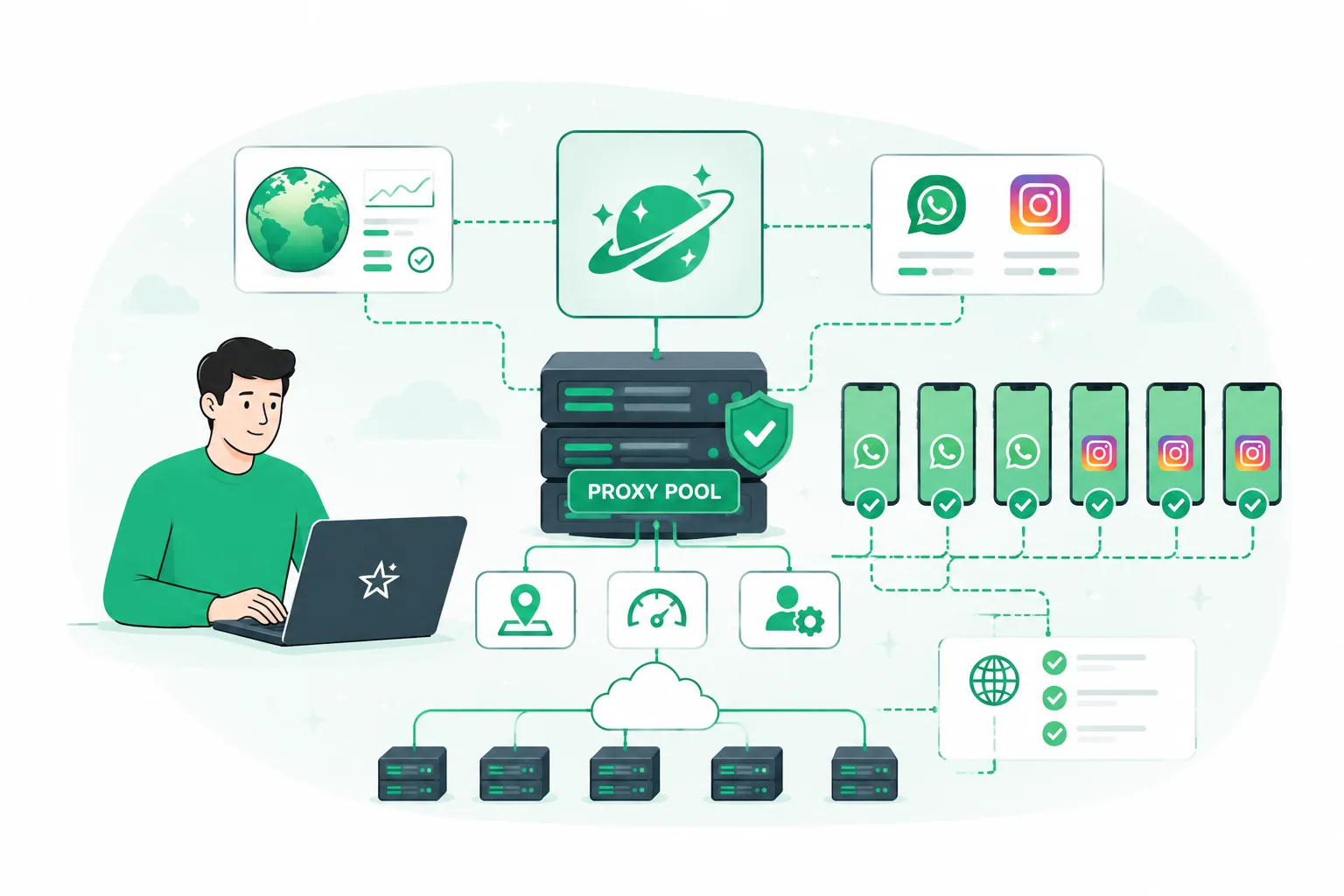
You can use account managers that simplify posting, likes, and other actions. There are different tools for that — for instance, UniInstagram works through Android emulators and lets you add as many Instagram* accounts from the emulator as you like and use them for various purposes at any time.
Launch checklist
Before launch:
▢ Define your goals (awareness, leads, sales)
▢ Analyze the target audience (age, motivations, needs)
▢ Research competitors: content, visuals, approaches
▢ Style the profile (avatar, bio, highlights, links)
▢ Choose a visual style and tone of voice
Content:
▢ Build a content plan (posts, Reels, stories, live streams)
▢ Prepare the publishing architecture (templates)
▢ Schedule content for 2–4 weeks ahead
▢ Define rubrics and content angles
Promotion:
▢ Make a list of bloggers for integrations
▢ Set up Reels and stories for lead magnets or warm-up
▢ Prepare offers and triggers for engagement
▢ Use an Instagram* manager
Sales:
▢ Set up lead handling (scripts, quick replies)
▢ Prepare purchase instructions: links, contacts, triggers (discounts, deadlines)
▢ Add a call to action to every post
Content plan template (for a week)
Day
Tip: when running an ad or a blogger integration, pin posts with key USPs and offers so new visitors immediately see what you offer.